
What We Treat
Urology Specialist Melbourne


About Urological Cancers
Urological cancers are a group of cancers affecting the urinary system or male reproductive organs. Together they make up a significant proportion of cancer diagnosis in Australia, with prostate cancer being the second most common cancer diagnosis for men (after skin cancer). Treatment for urological cancers must be carefully considered and planned due to their proximity to the delicate structures that are important for urinary and reproductive function. Radiation therapy is an important treatment option for many urological cancers, either on its own or alongside surgery, chemotherapy, or hormonal therapy, depending on the individual case.
Radiation therapy may be appropriate in the treatment of the following types of urological cancer:
- Prostate Cancer affects one in six Australian men and is caused by growth of abnormal cells in the prostate gland. It can grow slowly in some cases, but more aggressive forms also occur. Radiotherapy may be used in the management of localised prostate cancer, either on its own or together with hormonal therapy, with the aim of curing or controlling the cancer’s growth. It can also be used as a salvage after surgery or when the cancer recurs locally, as well as for localised metastatic disease (oligometastasis). In some cases, it may help delay or avoid the need for systemic treatment and can also play a role in palliative care to help relieve symptoms and improve comfort.
- Bladder Cancer often presents with blood in the urine, a burning sensation while urinating, or frequent need to urinate. It is more common in men, and the risk increases with age. It most commonly begins in the lining of the bladder and may spread to deeper layers over time. Radiation therapy can be used as an alternative treatment when surgery is not appropriate, or as part of a combined treatment approach alongside surgery or chemotherapy. It many also be used in palliative care situations to help control symptoms and improve quality of life.
- Kidney Cancer initially develops in the cells of the kidney and commonly affects one kidney, although cancer in both kidneys is possible in rare cases. Renal cell carcinoma (RCC) is the most common type of kidney cancer, making up 90% of cases and can be treated with radiotherapy, often to manage symptoms from bone metastases. Radiotherapy (EBRT, stereotactic or CyberKnife) can also play an important role when the cancer is localised and surgery is not feasible
Radiation Therapy for Urology Cancer Treatment
Diagnosis of prostate, bladder, kidney or other urology-based cancers may leave you feeling unsure about the path ahead but knowing your treatment options can help.
Treatment approaches for urological cancers may include surgery, chemotherapy, hormonal therapy, or radiation therapy, and are tailored to the type and stage of cancer as well as the overall health and circumstances of each patient. Radiation therapy may be used as an alternative to surgery, given as a neoadjuvant or adjuvant treatment (before or after surgery), or combined with other therapies as part of a comprehensive care plan.
We offer the following types of radiation therapy for urological cancers:
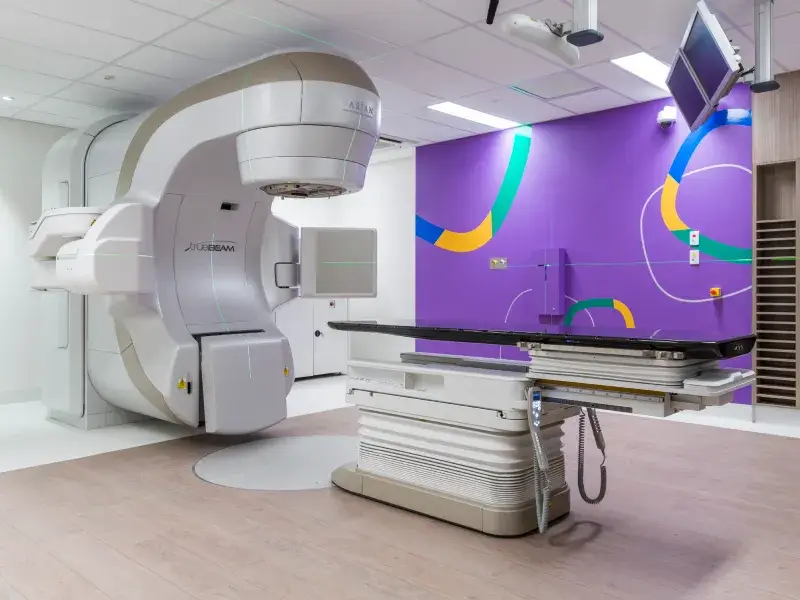

Stereotactic radiation therapy (SRT), also referred to as stereotactic ablative radiation therapy (SABR), is a focused form of radiation that delivers high doses to small, well-defined areas. Treatment is delivered with precise accuracy to minimise exposure to healthy tissue and organs. SBRT can be used in the treatment of primary and secondary tumours.


Superficial Radiation Therapy delivers low-energy radiation that penetrates only a few millimetres into the skin. It is a non-invasive approach that focuses on surface-level tumours without affecting deeper tissues. This makes it especially useful for treating non-melanoma skin cancers in sensitive areas such as the face, nose, or ears, where surgery may not be the best option.
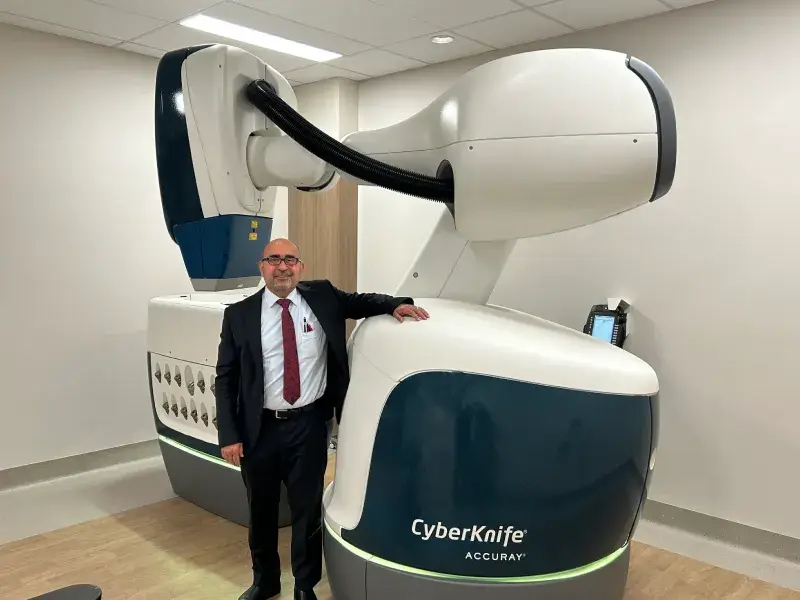

CyberKnife is an advanced type of stereotactic radiation therapy that uses computer guided robotics and real-time imaging. This allows precise radiation to be delivered from multiple angles and adjusted for natural movement such as breathing during treatment. CyberKnife may be suitable for tumours in complex or hard-to-reach areas, including the prostate, lung, liver, pancreas, head and neck.
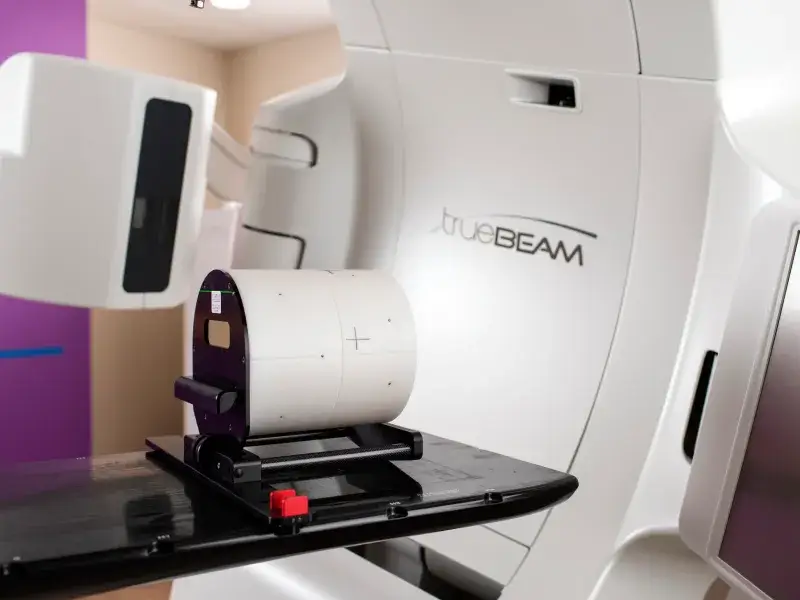

External Beam Radiation Therapy is one of the most common forms of radiation treatment. It uses a machine called a linear accelerator to direct beams of radiation from outside the body onto the cancer site. Up-to-date techniques such as Intensity-Modulated Radiation Therapy (IMRT) and Volumetric Modulated Arc Therapy (VMAT) allow the radiation dose to be shaped more precisely to the tumour, helping to protect surrounding healthy tissue. EBRT may be recommended for a wide range of cancers.
Your Treatment Journey
01
Referral
You will require a referral from your doctor, surgeon or specialist before you make an appointment with us. You can discuss your preferences for radiation oncologists with your healthcare team, and we are always available to answer any questions you, or they, may have before writing a referral.
02
Initial Consultation and Treatment Plan
Your initial appointment will include a meeting with our radiation oncologist Dr Mathlum. We will review your medical history and test results and, if radiation therapy is appropriate, create a tailored treatment plan.
03
Treatment
Radiation therapy will be delivered in line with your treatment plan. Throughout your treatment our team will monitor you closely and provide guidance and support during sessions and be available to answer any questions or concerns that may arise in between.
04
Post-Treatment Care
Once the radiation portion of your treatment has been delivered, you'll attend follow up appointments allowing us to monitor your progress and provide continued support as you recover. We work closely with your referring doctor and healthcare team to provide the best possible care.

Benefits of Radiation Therapy
- Precision delivery: Advanced techniques such as Intensity-Modulated Radiation Therapy (IMRT), Volumetric Modulated Arc Therapy (VMAT), and Stereotactic Body Radiotherapy (SBRT) approaches including CyberKnife allow treatment to precisely target the tumour while aiming to limit exposure to surrounding healthy tissue.
- Less treatment time: Radiation therapy is delivered as an outpatient treatment, meaning patients attend scheduled sessions but do not need to stay overnight in hospital.
- Treatment options: Radiation therapy may be used alone or be delivered before, after, or alongside other treatments such as surgery, chemotherapy, or hormonal therapy, depending on the cancer type and stage.
- Non-surgical option: Radiation therapy may be considered for patients who are not suitable for surgery.
Your Urology Cancer Treatment Questions Answered
How long does a course of radiation therapy usually take?
Can I continue working during treatment?
What follow-up care will I need?
Does radiation therapy affect fertility or sexual function?
What side effects should I expect?
How much does radiation therapy cost?
Why Choose Us?
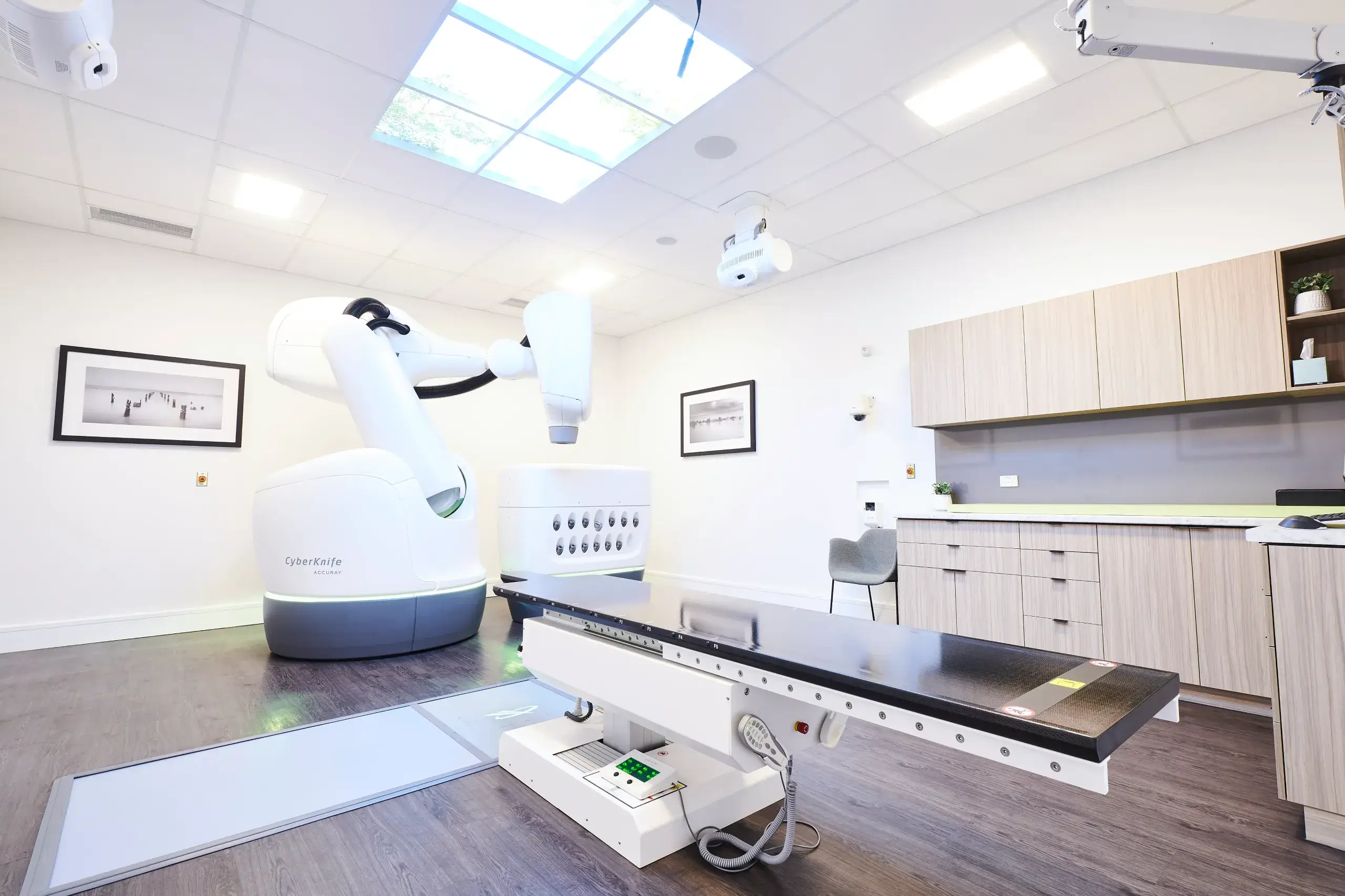
Advanced Technologies
We offer state-of-the-art radiation therapy options, including the latest advances in treatment planning and delivery. Our technology gives patients access to modern approaches that continue to evolve with cancer care.
Experienced Team
Your care is led by Dr Maitham Mathlum, a radiation oncologist with over 25 years in clinical practice, supported by a skilled team of nurses, therapists, and support staff. Together, we ensure your treatment is delivered with precision and care.

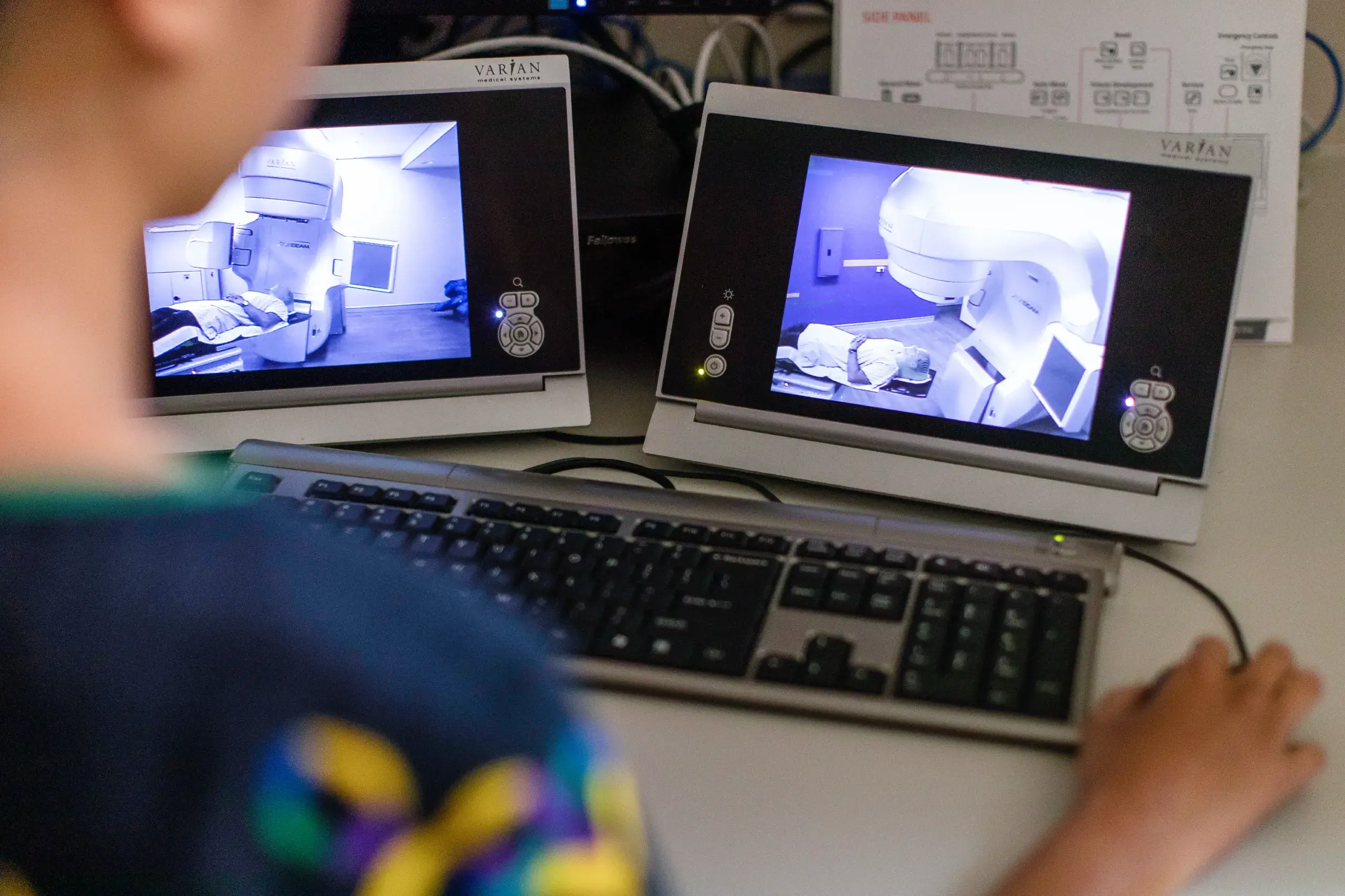
Interdisciplinary Approach
We work closely with your referring doctors and other specialists to coordinate care across every stage of your treatment. This collaborative approach helps ensure you receive well-planned, comprehensive support.
Referrals from Practitioners
Radiation Oncologist
25 Years
Clinical Experience
Clinical Trials
Active Research
Training
Radiology Education

Guidance and Support on Your Treatment Journey
Facing a cancer diagnosis can be overwhelming, but you don’t need to navigate it alone. Our team is here to provide a tailored treatment plan, clear information, and supportive care at every stage.
Speak with your doctor or specialist about a referral or contact our team directly to learn more about how radiation therapy may form part of your treatment plan.