
Radiation Oncology Victoria
Precision
Radiotherapy
Victoria
Advanced treatment options delivered with precision and care.


Supporting You Through
Cancer Treatment
Navigating cancer treatment can be a difficult and confusing time for you and the people close to you. We’re here to help.
At Precision Radiotherapy Victoria, our experienced and compassionate team are committed to guiding and supporting you through your cancer journey. We combine knowledgeable and empathetic patient care with advanced treatment technologies to design and deliver a treatment plan personalised to your health needs. Working collaboratively with you, your doctors and a team of specialists across multiple disciplines, we ensure that even the most complex oncology care is managed with confidence, precision, and ongoing support.
Targeted Radiation Therapy
Precision Technology
Advanced imaging, planning and delivery systems allow radiation to be targeted to a precise level of accuracy.
Non-Invasive Treatment
Radiation therapy is delivered externally without the need for incisions, or anaesthesia.
Shorter Treatment Times
Treatment options that can be delivered in fewer sessions than conventional cancer therapy.
Accessible
Care
Up to 90% of radiation oncology care is covered by Medicare, and private health insurance is not required to access treatment.
Cancers We Treat
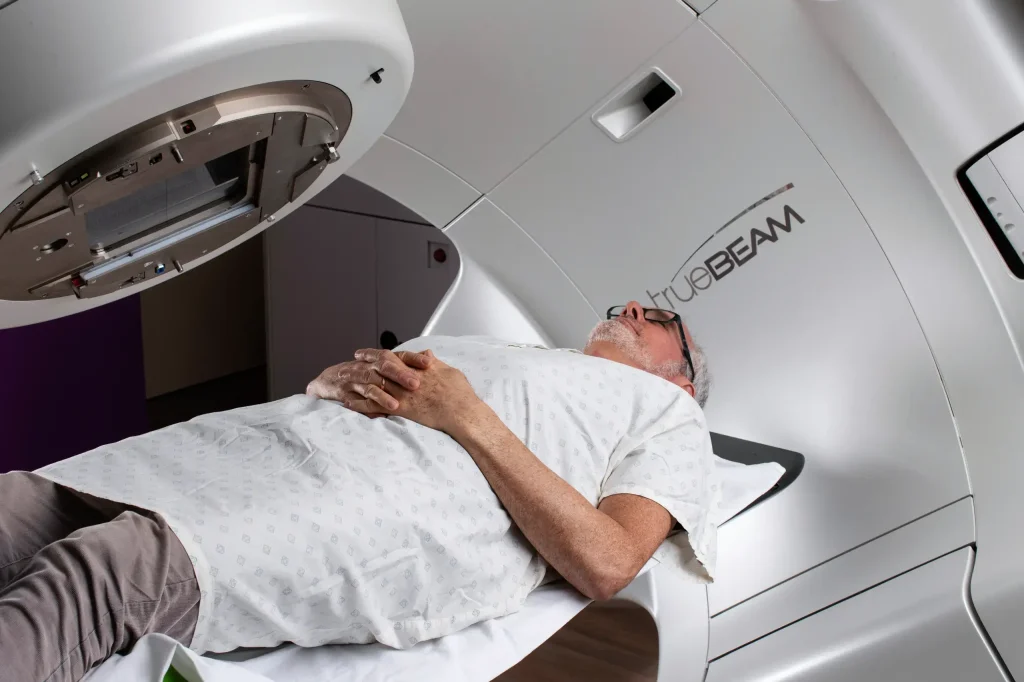

Skin cancer is the most common cancer in Australia, with non-melanoma types such as basal cell carcinoma (BCC) and squamous cell carcinoma (SCC) diagnosed most frequently. Radiation therapy may be considered when surgery is not suitable for a patient or as an alternative to surgery, particularly for cancers in visible or sensitive areas such as the face, nose, or ears.
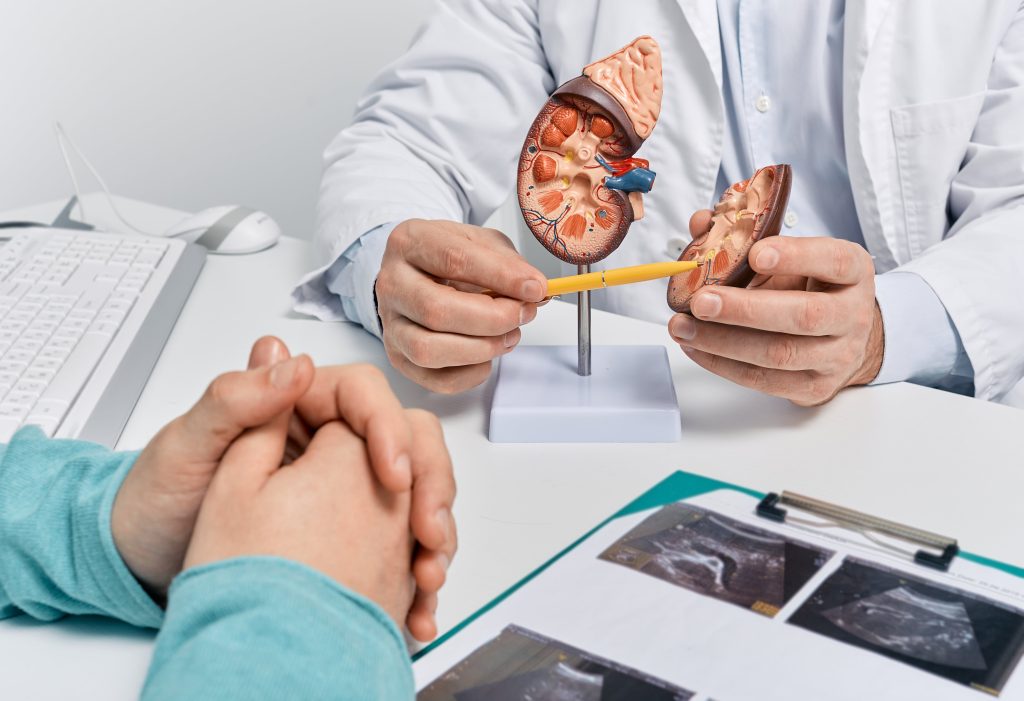

Urological cancers affect the urinary system, including the prostate, bladder, and kidneys. Radiation therapy can be used as a primary treatment, after surgery, or in combination with chemotherapy or hormonal treatment, depending on the type and stage of cancer.


Breast cancer is one of the most common cancers affecting women and can occur in men as well. Radiation therapy is frequently used as an adjuvant treatment (after surgery) to reduce the chance of recurrence, or as a neoadjuvant treatment (before surgery) to help shrink the tumour. It may also be combined with other treatments as part of a personalised care plan.
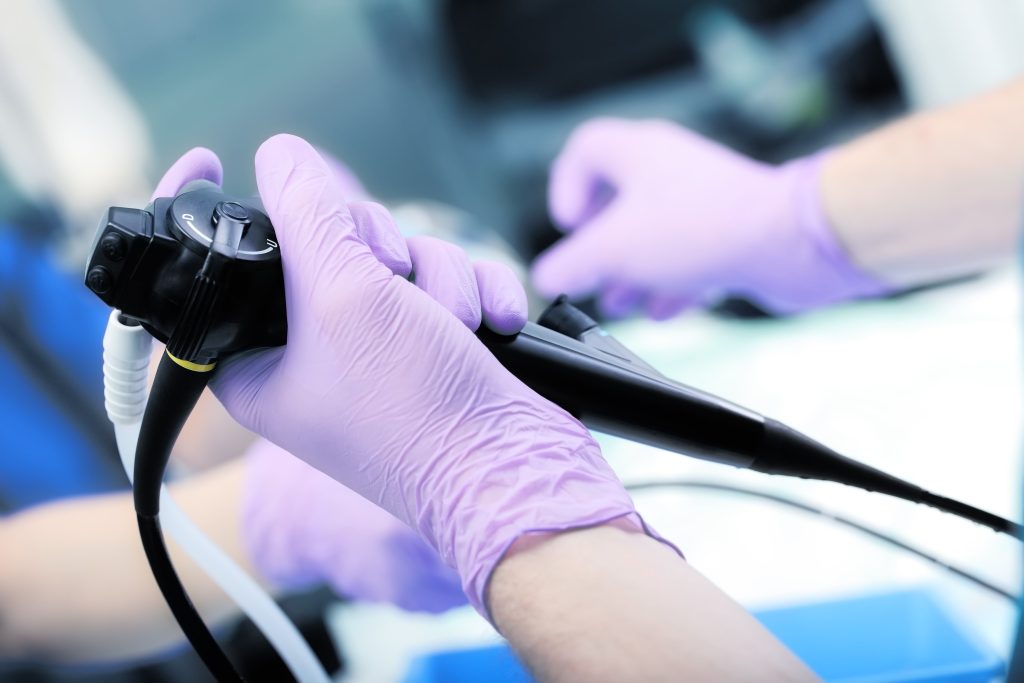

Gastrointestinal cancers develop in the digestive system, including the pancreas, liver, rectum, anal canal and other abdominal organs. Radiation therapy may be recommended as part of a treatment plan to target the tumour and support overall management of the disease.
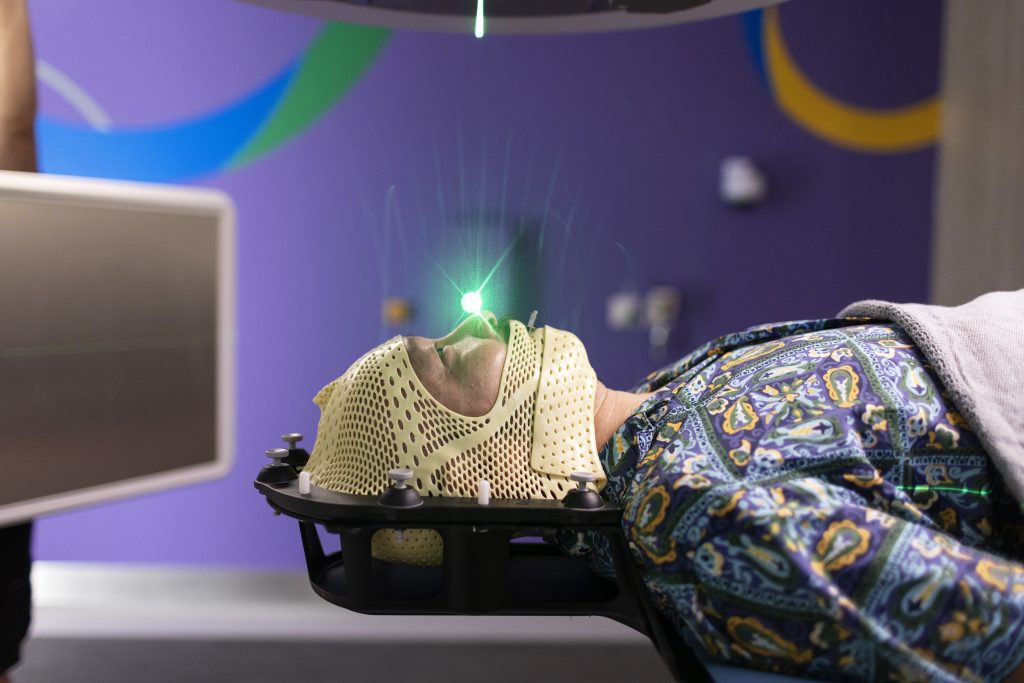

Head and neck cancers occur in areas where many important and delicate structures lie together, such as the throat, mouth and eyes. Radiotherapy may be used in these cancers, either as the primary treatment, or as an adjunct treatment alongside surgery or chemotherapy.


Radiation therapy may also be considered in the treatment of certain non-cancerous conditions. These include arteriovenous malformations and heterotopic ossification (H.O.), scarring and connective tissue disorders such as keloid and hypertrophic scars, and Dupuytren’s contracture. It may also be used in selected cases of benign tumours, such as acoustic neuroma.


Gynaecological cancers include cancers of the uterus, cervix, ovaries, vulva, and vagina. Radiation therapy may be used as a primary treatment, after surgery to target remaining cancer cells, or alongside chemotherapy depending on the type and stage of the disease.
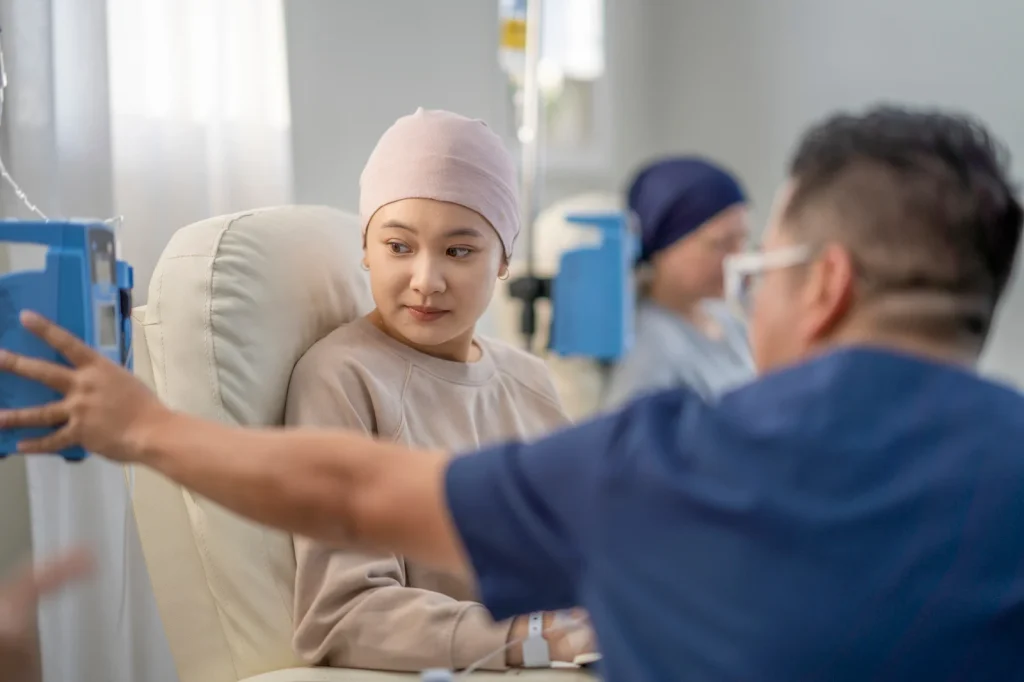

Lymphoma is a type of cancer originating in the lymphatic system and includes Hodgkin and non-Hodgkin lymphoma. Radiation therapy can be used as a primary treatment, or after chemotherapy. It may also be used for palliative care, aiming to help control symptoms and improve quality of life in advanced cases.
Treatments We Offer
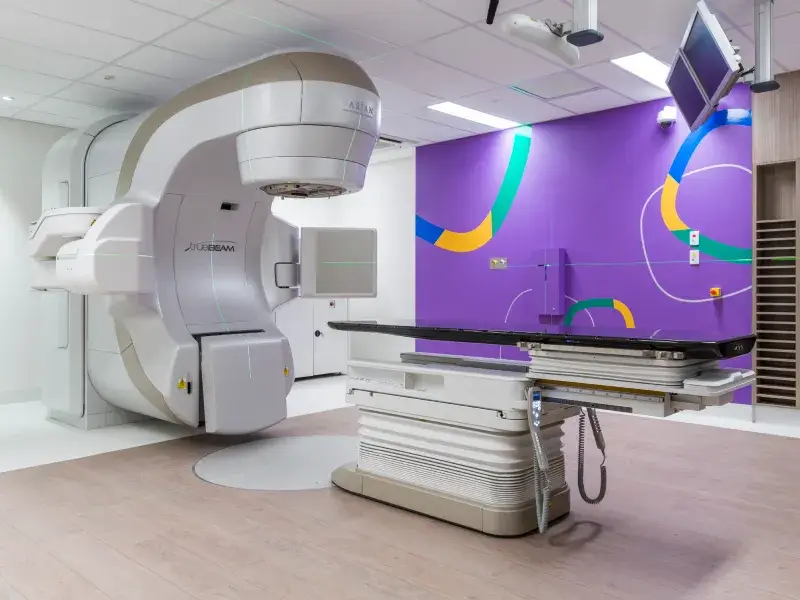

Stereotactic radiation therapy (SRT), also referred to as stereotactic ablative radiation therapy (SABR), is a focused form of radiation that delivers high doses to small, well-defined areas. Treatment is delivered with precise accuracy to minimise exposure to healthy tissue and organs. SBRT can be used in the treatment of primary and secondary tumours.


Superficial Radiation Therapy delivers low-energy radiation that penetrates only a few millimetres into the skin. It is a non-invasive approach that focuses on surface-level tumours without affecting deeper tissues. This makes it especially useful for treating non-melanoma skin cancers in sensitive areas such as the face, nose, or ears, where surgery may not be the best option.
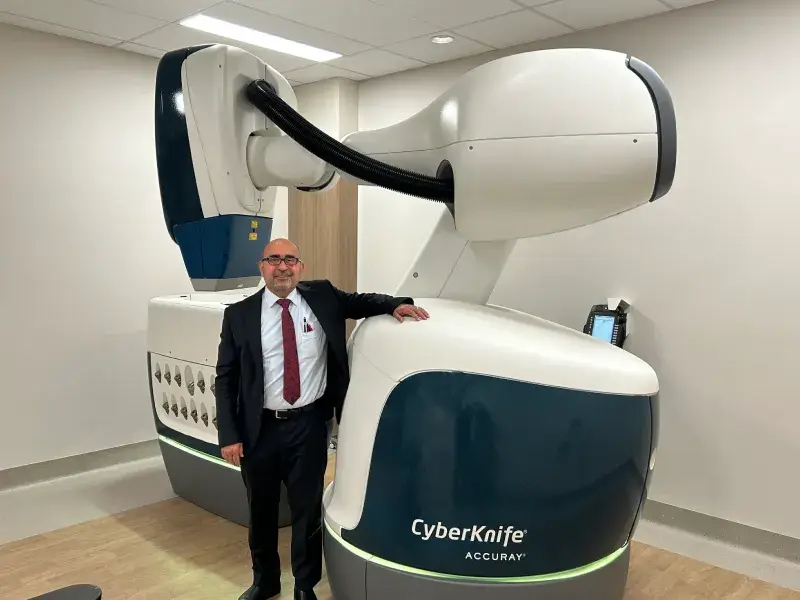

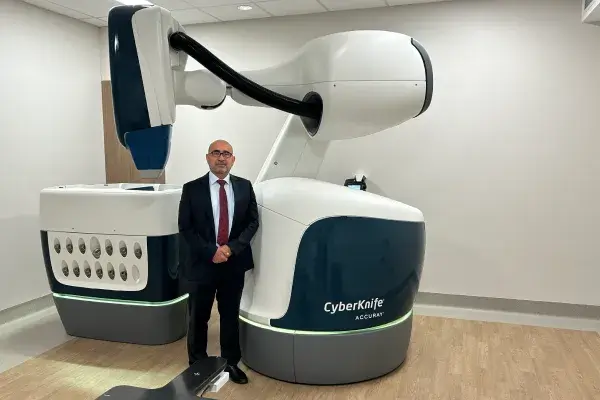
CyberKnife is an advanced type of stereotactic radiation therapy that uses computer guided robotics and real-time imaging. This allows precise radiation to be delivered from multiple angles and adjusted for natural movement such as breathing during treatment. CyberKnife may be suitable for tumours in complex or hard-to-reach areas, including the prostate, lung, liver, pancreas, head and neck.
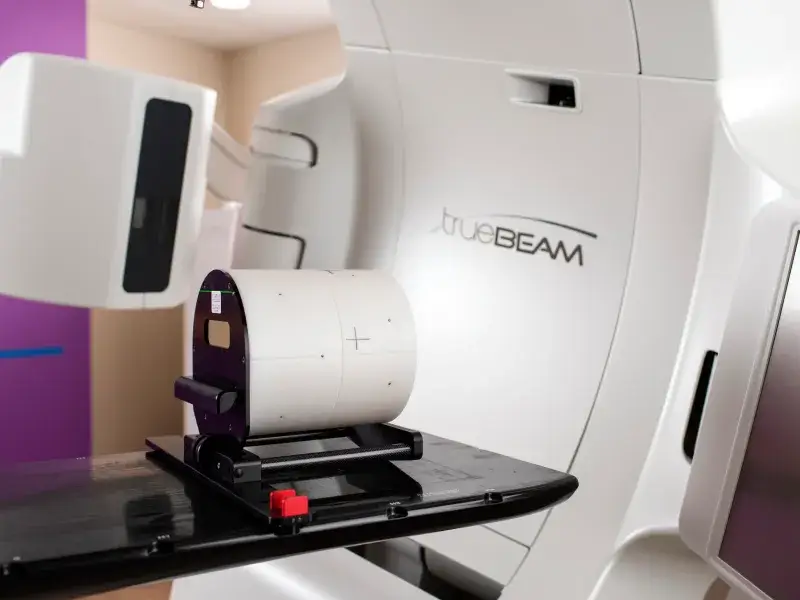

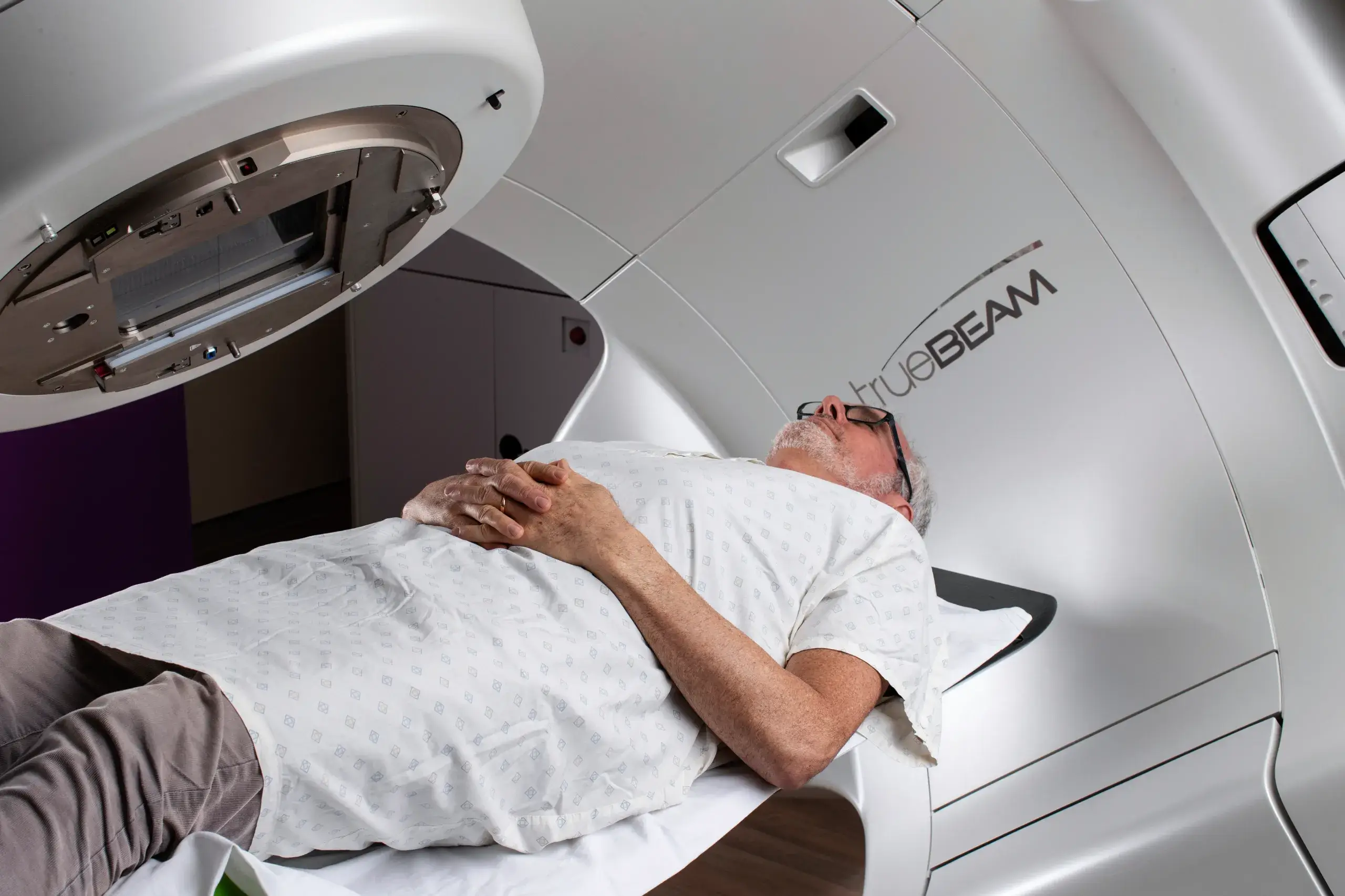
External Beam Radiation Therapy is one of the most common forms of radiation treatment. It uses a machine called a linear accelerator to direct beams of radiation from outside the body onto the cancer site. Up-to-date techniques such as Intensity-Modulated Radiation Therapy (IMRT) and Volumetric Modulated Arc Therapy (VMAT) allow the radiation dose to be shaped more precisely to the tumour, helping to protect surrounding healthy tissue. EBRT may be recommended for a wide range of cancers.
Palliative Radiation Therapy
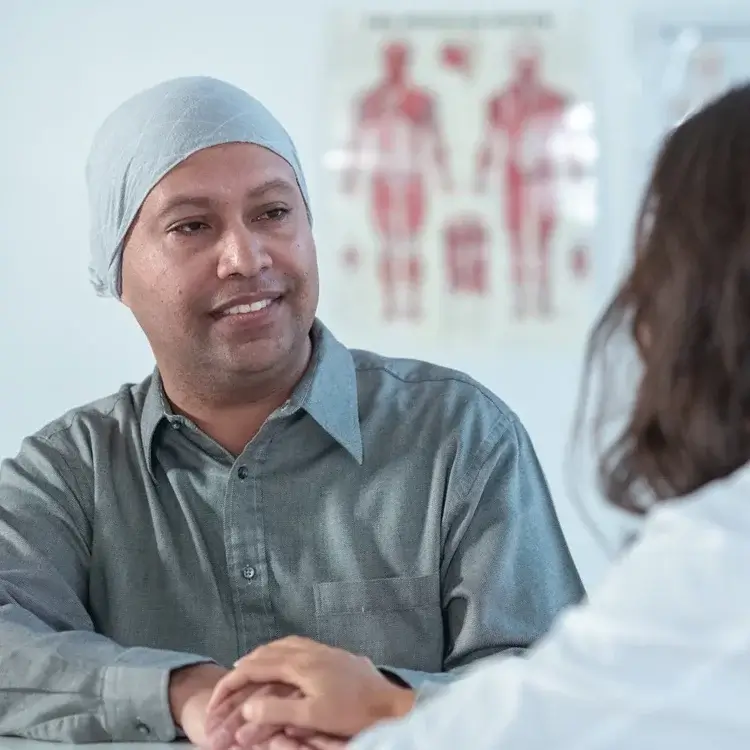
Palliative radiation therapy may be considered in the treatment of advanced cancer, where the aim is to reduce symptoms and increase quality of life.
It can be used in many areas of the body to help ease pain, control bleeding, or slow the growth of tumours that are causing discomfort.
Treatment is carefully tailored to the individual’s needs and overall care plan, with the goal of providing relief and support. While it is not intended to cure the disease, palliative radiotherapy can make a meaningful difference in comfort and day-to-day wellbeing.
Pain Relief
Symptom Control
Quality of Life
Personalised Care
Start Your Treatment Journey
01
Obtain a referral
Request a referral from your doctor or specialist.
02
Attend a consultation
Meet with our team (face to face or online) to discuss your treatment options.
03
Receive treatment
We'll guide you step by step through your treatment plan.
04
Access follow-up care
Receive ongoing support and care once your treatment is complete.
Why Choose Us?
Advanced Technology
We stay actively involved in developments across radiation therapy. Our clinics provide access to some of the latest and most advanced radiation technologies including the only CyberKnife system in Australia's eastern states.
Experienced Team
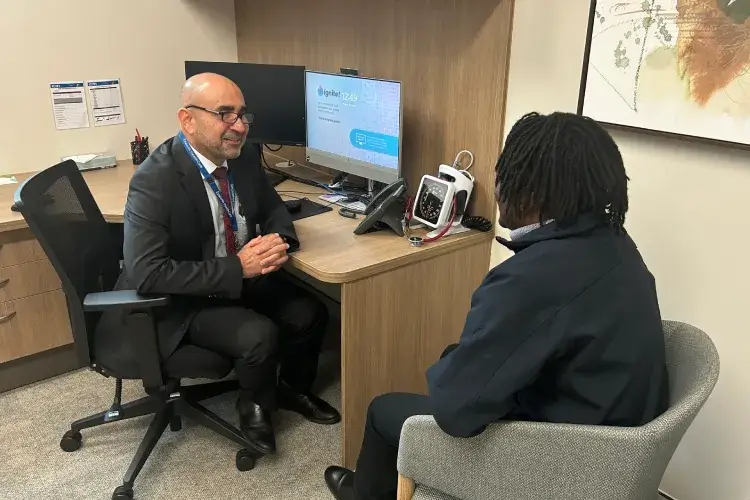
Our care is led by Dr Maitham Mathlum, a radiation oncologist with 25 years of clinical experience. Supported by a skilled team of nurses, therapists, and support staff, we work together to ensure your treatment is delivered with precision and care.
Multiple Treatment Locations
We partner with healthcare providers including Icon Cancer Centre, Western District Skin Clinics and the CyberKnife 5D clinic to deliver consultation and treatment from multiple clinic locations across Victoria.
About Dr Maitham Mathlum
Radiation Oncologist
He brings a thoughtful and compassionate approach to treatment, combining his knowledge of advanced radiation techniques with a commitment to delivering carefully planned and supported care. Dr Mathlum has a special interest in the areas of head and neck, breast, gastrointestinal, urological, and skin cancers, and he is actively involved in clinical trials and radiology training across Australia.
25 Years
Clinical Experience
Clinical Trials
Active Research
Training
Radiology Education
Clinic Locations
(03) 4225 6020
admin.geelong@icon.team
(03) 5243 7378
reception@skinscreenclinic.com.au
(03) 9000 5693
werribee@skinscreenclinic.com.au
(03) 5331 6051
reception@wdss.com.au
(03) 4225 6020
admin.geelong@icon.team
(03) 4225 6020
admin.geelong@icon.team
(03) 4225 6020
admin.geelong@icon.team

Ready to Explore
Your Treatment Options?
Your journey begins with the right information and support. Speak to your doctor or specialist about a referral or contact our team to learn more about the treatment options available to you.